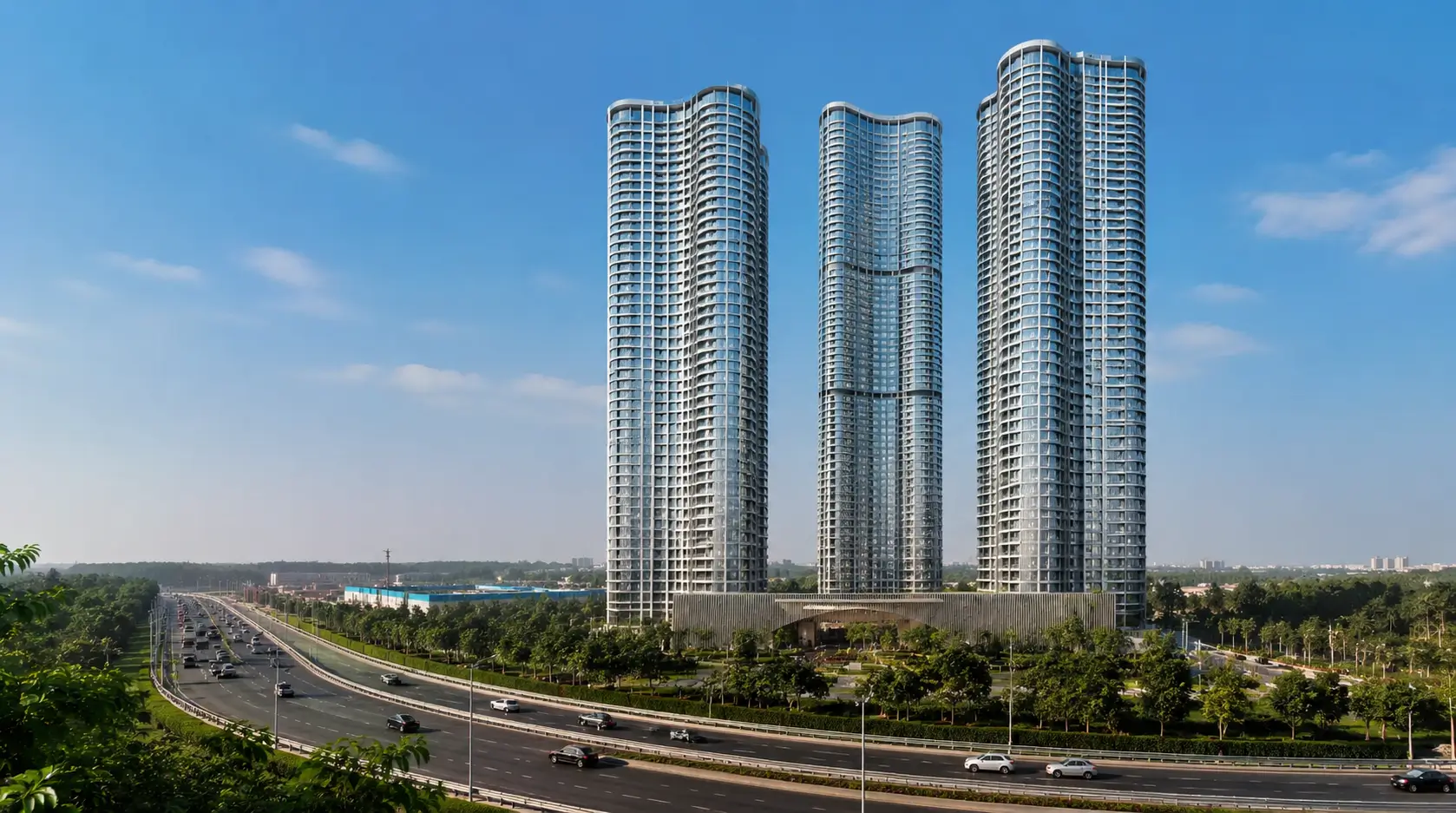
The structural shifting of urban real estate paradigms shows a major market movement toward self-sustained community spaces. In evaluating the commercial sustainability of premium estate holdings, validating developer credentials, regional employment drivers, and structural build technology acts as the foundation for safe asset acquisition. #link# acts as a practical benchmark for reviewing premium construction quality and structural value metrics. To gain an accurate understanding of these architectural environments, one must examine macro regional developments, localized structural blueprints, and underlying financial projections with extreme detail.
The Macro Economic Forces Reshaping Regional Real Estate
The implementation of grand state-sponsored infrastructure assets, future-proofs regional residential holdings against broader macro-economic corrections. Infrastructure engineering trends conclusively demonstrate that proximity to active tech hubs always precedes a sustained boom in residential real estate absorption. For example, when a premium property development sits within a brief 10 to 15-minute drive from a major international airport terminal, high-salaried working professionals naturally choose to locate their primary residences within that specific geographic boundary. Furthermore, the massive influx of multinational technology giants, manufacturing conglomerates, and global capability centers fuels an active purchasing cycle for premium 3 BHK, 3.5 BHK, and 4 BHK luxury residences. To truly map these appreciation models, staying updated on real estate pricing matrices remains essential.
Premium Interior Material Specifications and Low-Density Spatial Philosophy
The premium valuation of a premier residential asset over multi-decade cycles is directly determined by the underlying building technology utilized during the core construction phase. The deployment of advanced aluminum formwork casting systems, extensively known across the industry as Mivan technology, ensures remarkable resistance to seismic fluctuations, eliminates structural seepage risks, and provides flawless smooth wall finishing. To justify a premium luxury market positioning, the physical finishes inside each residential unit are designed with optimal acoustic management, natural daylight maximization, and highly efficient zero-waste layout floor plans. Simultaneously, the overarching master plan philosophy is shifting decisively toward ultra-low-density configurations. By dedicating over 65 to 85 percent of the total available acreage to landscaped gardens and biophilic reserves, residents experience an elevated sense of privacy, mental well-being, and social connectivity right outside their doors. This specific combination of advanced engineering and low-density planning guarantees permanent property demand.
Financial Strategy, Rental Yield Matrix, and Regulatory Compliance Frameworks
When assessing historical asset performance across competitive financial markets, residential holdings backed by strong corporate execution credentials outperform alternative commercial assets. Entering a tier-1 development phase before the public distribution of marketing brochures optimizes the overall return on investment by reducing immediate cash-flow outlays during early engineering stages. In parallel with capital gains, steady monthly rental income streams from luxury airport corridors provides long-term stability due to multi-year corporate lease agreements and high tenant retention rates. However, achieving these lucrative financial rewards requires absolute dedication to thorough legal and regulatory verification. Validating the builder's historical track record regarding timely project delivery, structural execution precision, and legal transparency provides absolute piece of mind, allowing buyers to comfortably track construction milestones from anywhere in the world.
Analyzing the Tangible Value of Integrated Social Infrastructure and Hospitality
True luxury real estate in the current era is defined far beyond cosmetic interior finishes or layout dimensions. Deploying cutting-edge IoT property infrastructure along with predictive maintenance hardware, allows residents to effortlessly manage spatial lighting, interior climate settings, and visitor tracking protocols. To support a balanced life, premium developments are constructing multi-tier recreational environments. Creating expansive children play zones, dedicated senior citizen security seating areas, and pet-friendly micro-parks, these integrated structures ensure that health and recreational goals can be fulfilled without stepping outside the estate. Moreover, the inclusion of essential social infrastructure directly within the gated boundary lines guarantees that the entire township remains completely sustainable and eco-friendly for decades to come.
Final Synthesis on High-Yield Residential Property Selection Matrices
In summary, capitalizing on high-tier residential developments demands meticulous alignment across multiple critical dimensions: strict legal title validation, biophilic design preservation, and developer delivery track records. Capital allocators who aggressively target early-stage entry pricing within low-density integrated townships will successfully future-proof their capital holdings against urban congestion and economic adjustments. Supported by structural economic expansions and the more info continuous growth of specialized technology parks, property holdings situated within well-connected residential hubs are guaranteed to dominate the regional real estate market.